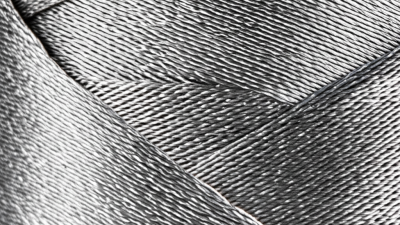
You know, in today's fast-changing world of manufacturing, the need for advanced materials has never been more important—especially in industries where static electricity can actually cause serious problems. That's where 'Mixed Anti Static Fiber' comes in. It’s a pretty clever solution designed to cut down on static hazards, while also boosting productivity and keeping workers safer. I read recently that according to Freedonia Group, the global market for Anti-Static materials is expected to hit over $4 billion by 2025. That just shows how much people are starting to realize how crucial these materials are across different industries. As for us here at SHIJIAZHUANG 3L TECHNOLOGY CO., LTD., we’ve been leading the charge since 2009, coming up with high-performance tech textiles that turn your usual materials into game-changing solutions. We’re all about delivering top-notch, innovative textiles that meet the tough demands of modern manufacturing environments—because staying ahead means always pushing the boundaries, right?
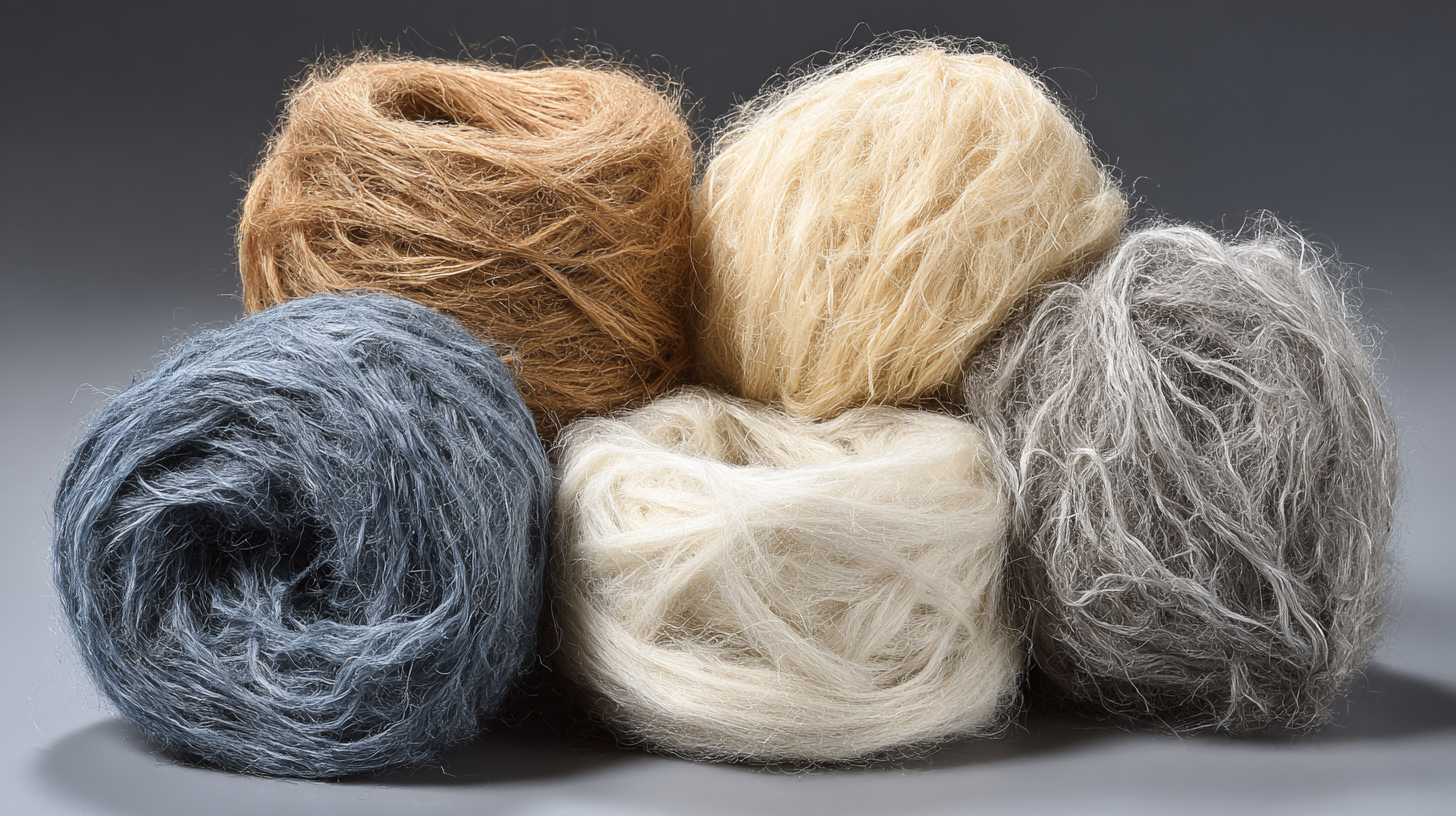
The Evolution of Anti-Static Fibers in Industry: A Comprehensive Overview
You know, the way anti-static fibers have evolved over the years has really changed the game in manufacturing. It’s all about keeping things safer and running more smoothly. I read a report from the International Electrotechnical Commission that predicts the global demand for anti-static materials will grow by about 6.8% annually from 2022 to 2027. That just shows how crucial these fibers are in tackling static electricity, which can mess up equipment or even pose safety risks. Industries like electronics, pharmaceuticals, and textiles are always on the lookout for smarter solutions to boost product quality and keep things reliable.

Here at SHIJIAZHUANG 3L TECHNOLOGY CO., LTD., we’ve been right in the middle of this change since 2009. We focus on transforming high-tech textile materials into really effective anti-static solutions. Our products are designed to handle the tough demands of different industries, making sure safety and efficiency go hand in hand. Thanks to our advanced tech textiles, manufacturers can actually tackle static problems head-on. As innovation keeps pushing the boundaries of anti-static fibers, our dedication to R&D puts us in a great spot to lead the way — offering cutting-edge solutions that set new standards in the industry.
Understanding Mixed Anti-Static Fibers: Composition and Benefits
You know, mixed anti-static fibers are really becoming a big deal these days, especially in industries where electronic bits and bobs are everywhere. Basically, they’re made from a mix of materials—think synthetic plastics combined with conductive fibers—that work together to cut down on static electricity that can cause all sorts of problems. The cool part? These Fabrics aren’t just good at resisting static; they’re also lightweight and tough enough to handle a bunch of different uses. You might find them in clean rooms, electronics packaging, or even workwear designed to keep things safe.
Honestly, the perks of using these mixed anti-static fibers are pretty impressive. First off, they help create a safer workspace by lowering the chances of electrostatic discharges (you know, those sudden sparks that can fry delicate electronics). Plus, they actually help keep manufacturing cleaner and less prone to contamination, which is a huge win. As gadgets and smart tech keep getting more advanced, tossing these fibers into the mix isn’t just smart—it’s kind of essential for sticking to industry standards, boosting efficiency, and ensuring products are safe and reliable. All in all, this material is really helping make manufacturing safer and more reliable across a bunch of different sectors.
Key Applications of Mixed Anti-Static Fiber in Modern Manufacturing
You know, in today's manufacturing world, mixed anti-static fibers are really gaining traction—especially in textiles and composite materials. It’s pretty fascinating how these advanced fibers are popping up more and more in industries like automotive and sportswear, where safety and performance are a big deal. For example, combining wool with polyester has led to fabrics that don't just look good but also boost performance by resisting pilling and being more hydrophilic. That means they’re super comfortable and last longer, even when you're pushing them to the limit during intense workouts or active days.
And here’s something cool—nanotechnology is stepping into the textile scene, opening new doors for these fibers. Recent advances show how nanotech techniques can actually help us create and tweak these fibers to make them even better. This is especially handy for pieces that need anti-static features, since it really helps reduce static electricity issues in sensitive workplaces. As industries keep evolving, I honestly think the role of these mixed anti-static fibers is just going to keep growing—they’re so vital for making products safer, longer-lasting, and just overall better across different fields.
Advantages of Utilizing Mixed Anti-Static Fibers for Enhanced Product Quality
In today's manufacturing world, mixing anti-static fibers into your products has really become a game-changer. These special fibers are great at just dissipating static electricity, which is a big deal across industries like electronics, textiles, and automotive. When companies include these fibers in their production lines, they can actually protect their products from static-related damage, leading to stuff that’s more reliable and performs better overall.
But honestly, the benefits don’t stop there. These mixed anti-static fibers don’t just prevent static shocks—they also boost the durability and can even make the final products look better and work more smoothly. At SHIJIAZHUANG 3L TECHNOLOGY CO., LTD., we’re super passionate about innovation, and we see ourselves as leaders in the world of professional technical textiles. We use high-tech, high-performance materials to craft solutions that meet the ever-changing needs of industries around the globe. By using these mixed anti-static fibers, our clients are seeing real improvements in product quality and how long their products last. It’s just amazing to see how advanced textile tech can really make a difference, right?
Best Practices for Implementing Mixed Anti-Static Fiber Solutions in Production
Implementing mixed anti-static fiber solutions nowadays is pretty much a must in manufacturing settings. You see, static electricity can cause all sorts of headaches—disrupting production and causing delays you really don’t want. Did you know that, according to the Static Electricity Society, almost 30% of downtime in electronic manufacturing happens because of static-related issues? Yeah, that’s a big chunk. So, a lot of manufacturers are now turning to these mixed anti-static fibers — basically a blend of conductive and non-conductive materials — which help get rid of static build-up but still stay durable and flexible enough for daily use. It's a smart move, really.
To make the most out of these fibers, companies are recommended to start by checking their workspaces thoroughly, pinpointing those areas where static tends to pile up the most. That way, they can tweak and customize their solutions to fit their specific environment. And don’t forget about training your team! Teaching employees how to handle and maintain these anti-static materials properly can really make a difference. In fact, a recent study in the International Journal of Industrial Ergonomics found that workplaces that invested in static control training saw a 40% drop in static-related incidents. So, combining a solid plan with some good education not only keeps things safer but also helps keep production running smoothly and efficiently.
Your Comprehensive Guide to Understanding Mixed Anti Static Fiber in Modern Manufacturing - Best Practices for Implementing Mixed Anti-Static Fiber Solutions in Production
| Aspect | Description | Benefits | Best Practices | Considerations |
| Material Composition | Mixed fibers combining both conductive and insulating materials. | Reduces static electricity build-up, improving safety. | Select appropriate fiber ratios for specific applications. | Ensure compatibility with existing manufacturing processes. |
| Applications | Used in clothing, carpets, and electronic device packaging. | Enhances product lifespan by preventing damage due to static. | Conduct trials in targeted applications before full-scale implementation. | Consider environmental impacts of disposal and sustainability. |
| Cost Effectiveness | Initial investment may be higher but saves costs in the long run. | Reduces financial losses from damaged electronic components. | Analyze total cost of ownership, including maintenance. | Assess cost versus performance gains extensively. |
| Regulatory Compliance | Must meet industry standards for anti-static materials. | Ensures safety and reduces risks of liability. | Stay updated with relevant regulations and certifications. | Incorporate compliance checks during the supply chain process. |
| Future Trends | Growing use of smart textiles and advanced manufacturing techniques. | Increased functionality and performance of products. | Invest in R&D to innovate with mixed anti-static solutions. | Monitor market trends for emerging technologies. |
Future Trends: Innovations in Mixed Anti-Static Fiber Technology and Manufacturing
You know, innovations in mixed anti-static fiber tech are really changing the game in modern manufacturing. As more industries move toward automation, the importance of good electrostatic discharge (ESD) protection just keeps growing. Mixing traditional fibers with static-control materials seems to be a pretty promising fix—these fibers do a great job at cutting down static buildup without sacrificing durability or comfort. That’s a big plus, especially in settings like electronics assembly or cleanrooms where static can cause serious problems.
If you're thinking about jumping into this tech, it’s worth checking out the latest on fiber treatments and coatings. Investing in top-notch materials that offer solid ESD protection can seriously boost your products' lifespan and performance. Oh, and don’t forget to do plenty of testing to make sure whatever fibers you choose meet all the industry standards—that way, you’re covered.
One more thing to keep in mind is the trend toward eco-friendly fibers. Lots of new mixed anti-static fibers are being made with sustainable materials nowadays. Not only does that help your stuff stand out in the market, but it also boosts sustainable manufacturing practices. Going down this road can open the door to innovative products that appeal to consumers who really care about the environment.
Your Comprehensive Guide to Understanding Mixed Anti Static Fiber in Modern Manufacturing
Transform Your Textiles: The Benefits of Anti-Bacterial Copper Conductive Fiber Yarn in Everyday Use
As we navigate through an age where hygiene and performance are paramount, the integration of anti-bacterial copper conductive fiber yarn into everyday textiles emerges as a game changer. These innovative fibers, with a nylon core and a copper alloy skin, offer a remarkable blend of antibacterial properties and impressive conductivity. Using advanced techniques like multi-rake magnetron vacuum sputtering, the copper alloy is securely incorporated with the fiber, creating a durable product capable of withstanding multiple washes without compromising its performance. According to recent market studies, the demand for antimicrobial textiles is projected to reach $10 billion by 2025, underscoring the importance of materials like copper conductive fiber in various industries.
The practical benefits of incorporating these fibers into everyday textiles are manifold. These fibers not only inhibit the growth of bacteria, ensuring enhanced hygiene, but they also deliver exceptional electrical conductivity, making them ideal for smart textiles. Their soft texture and flexibility allow them to be used in everything from activewear to home textiles, further driving their versatility. Reports indicate that the global smart textile market is expected to grow at a CAGR of over 25% through 2023, indicating a significant trend towards the use of such functional materials in mainstream applications. By leveraging the unique characteristics of copper conductive fibers, manufacturers can meet the rising consumer demand for products that not only look good but are also functional and health-conscious.
FAQS
: Mixed anti-static fibers are specialized fibers composed of a blend of synthetic polymers and conductive materials designed to minimize static electricity buildup, making them suitable for applications such as clean rooms and protective apparel.
They are important because they reduce the risk of electrostatic discharge (ESD) that can damage sensitive electronic components, thus promoting a safer working environment and improving the overall quality of the manufacturing process.
Applications such as electronics packaging, clean rooms, and protective apparel benefit from mixed anti-static fibers due to their ability to resist static charge while remaining lightweight and durable.
By minimizing static electricity, mixed anti-static fibers help prevent the contamination of sensitive electronic components, thereby enhancing overall cleanliness and quality during manufacturing.
Manufacturers should explore the latest advancements in fiber treatments and coatings, invest in high-quality materials for superior ESD protection, and conduct thorough testing to ensure compliance with industry standards.
Yes, many modern mixed anti-static fibers are produced using eco-friendly materials, contributing to sustainable manufacturing practices and appealing to environmentally conscious consumers.
Innovations are crucial as they enhance ESD protection, necessary for automated processes, ensuring durability and comfort in various applications, leading to safer and more reliable production methods.
Sustainability trends encourage the production of eco-friendly mixed anti-static fibers, which not only enhance their marketability but also align with growing consumer demand for environmentally responsible products.
Conclusion
In today’s fast-paced world of manufacturing, really getting to know about Mixed Anti Static Fiber is pretty important if you want to boost product quality and keep things running smoothly. This isn’t just a dry technical read—it’s a deep dive into how anti-static fibers have evolved over time and why they matter so much across different industries. By exploring what they’re made of, the benefits they bring, and where they’re most often used, you’ll see how these fibers can help cut down static issues, making your products safer and more reliable.
Plus, the guide walks through some practical tips on how to introduce Mixed Anti Static Fiber solutions into your production line without a hitch. Staying ahead in this game is crucial, and with companies like SHIJIAZHUANG 3L TECHNOLOGY CO., LTD., leading the charge since 2009 in cutting-edge textile tech, there’s plenty of innovation happening. The future of this tech looks exciting, promising solutions that are both sustainable and effective—sure to shake things up for industries all around the world.