When it comes to protecting against electromagnetic interference, Copper Nickel EMI Shield Fabric really stands out. A lot of industries rely on this fabric because of its solid shielding abilities. But, honestly, using it the right way is super important if you wanna get the best results.
People at ShieldTech often say it's key to really understand the fabric's features. It’s lightweight but tough, which makes it pretty versatile—whether you’re dealing with gadgets or even aerospace stuff. That said, some folks struggle with installing it properly, and if you mess up, the shielding might not be enough.
Also, it’s good to think about where you’re using the fabric. Conditions like humidity or temperature can actually affect how well it works. Even though it’s got a lot going for it, there are some challenges—like forgetting about maintenance, which can shorten its lifespan. Tweaking your approach based on your specific needs can really help optimize performance. Bottom line? Being aware of these little things makes all the difference when working with Copper Nickel EMI Shield Fabric.
Understanding Copper Nickel EMI Shield Fabric and Its Properties
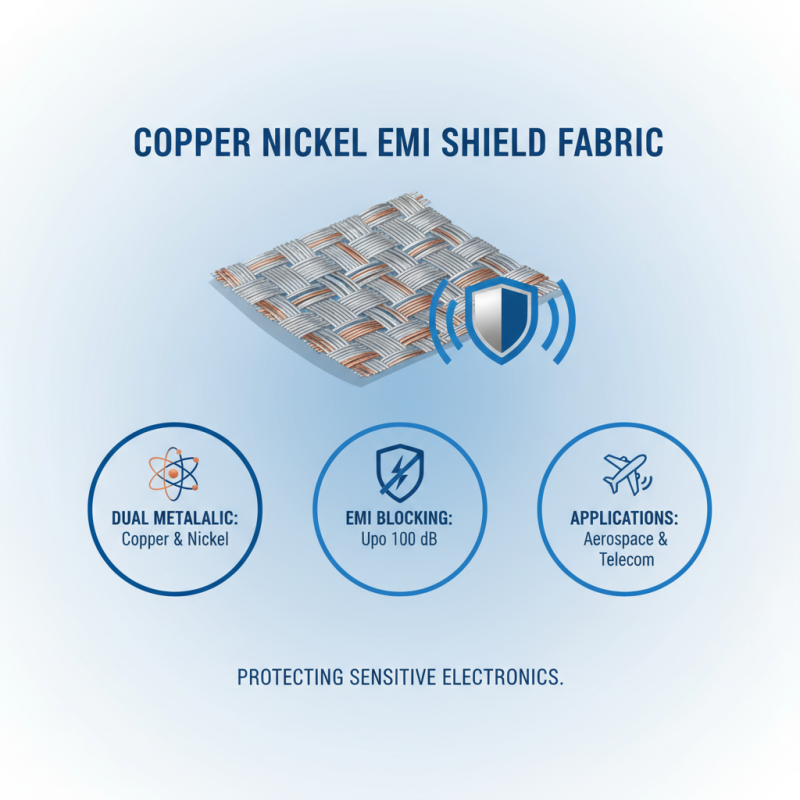
Copper nickel EMI shield fabric is a remarkable solution for electromagnetic interference (EMI) concerns. Its unique properties stem from the combination of copper and nickel, offering excellent conductivity and corrosion resistance. The material can block unwanted electromagnetic radiation, which is crucial in protecting sensitive electronic devices. According to industry reports, copper nickel shield Fabrics can achieve shielding effectiveness up to 100 dB, making them ideal for applications in aerospace and telecommunications.
The flexibility of copper nickel EMI shield cloth allows it to be easily integrated into various designs. Its lightweight nature is essential for applications where weight is critical. However, the effectiveness can vary based on thickness and weave pattern. A report from the Electromagnetic Compatibility Society indicates that even small changes in weave can affect shielding performance. Users should always test their specific fabric choice in real-world conditions.
Awareness of installation practices is also vital. Improper installation can lead to gaps in shielding. The fabric might also need to be treated for durability, especially in harsh environments. Feedback from engineers often highlights challenges in maintaining the fabric's properties after Manufacturing processes. Continual testing and iteration may be necessary to optimize performance.
Key Applications of Copper Nickel EMI Shield Fabric in Electronics
Copper nickel EMI shield fabric plays a crucial role in electronics. It effectively reduces electromagnetic interference (EMI), enhancing device performance. Recent industry reports indicate that EMI can cause signal degradation by up to 30%. This interference impacts various devices, from smartphones to medical equipment. Therefore, using copper nickel fabric can be a game-changer.
Key applications of this fabric include mobile devices and wearable technology. In smartphones, the fabric shields sensitive components from EMI, ensuring clearer signals. Medical devices also benefit significantly. A 2022 study highlighted that using copper nickel materials reduced interference in imaging systems by nearly 25%. Such reductions can enhance patient diagnosis and safety.
However, not all applications yield the same results. Some manufacturers struggle to optimize fabric thickness and weave. A mismatch can lead to insufficient shielding or increased costs. Continuous improvement and testing are essential for maximizing the fabric's potential. Understanding the balance between cost and effectiveness remains a challenge in many electronic projects.
Best Practices for Selecting the Right Thickness of EMI Shield Fabric
Selecting the right thickness of copper nickel EMI shield fabric is crucial for effective electromagnetic interference (EMI) protection. When considering thickness, it's essential to assess the specific application. Thinner fabrics offer flexibility but may not provide adequate shielding in all scenarios. Conversely, thicker materials can be more rigid, impacting the design and usability of your project. This balance must be carefully thought through.
Evaluate the environment where the fabric will be used. If exposed to harsh conditions, thicker copper nickel shielding fabric may be necessary. Yet, in applications requiring lightweight materials, a thinner option might suffice. It can be tempting to choose the thickest fabric for maximum protection. However, this may not always be practical or necessary. Experimentation with various thicknesses can help determine the best fit.
Consider the frequency range of the EMI you need to shield against. Certain frequencies penetrate materials differently. The right thickness may differ based on frequency. It's okay if the first choice isn't perfect. Experimentation can reveal finer nuances. The real-world performance of copper nickel EMI shield fabric sometimes varies from expectations, warranting further testing. Strive for the right balance between flexibility and protection to meet your unique needs.
Techniques for Achieving Optimal Performance with EMI Shielding
Using copper nickel EMI shield fabric effectively requires understanding a few key techniques. One important method is to ensure proper grounding. The fabric must be connected to a reliable ground to function optimally. Without a good connection, the shielding performance diminishes. Inspect connections regularly to avoid potential issues.
Another technique is careful layering. Place the fabric over critical components to maximize protection against electromagnetic interference. Understand the environment where the device will operate. This helps in deciding thickness and layering. In some cases, a single layer might not be enough. Experiment with multiple layers to identify the best configuration.
Adhesion is also crucial. Ensure that the fabric adheres well to surfaces. Poor adhesion can lead to gaps. Gaps allow interference, negating the benefits of the shielding fabric. Testing different adhesives might yield better results. Regular testing of performance is essential. This highlights areas needing improvement. It’s a process of trial and error, leading to greater effectiveness in shielding.
Installation Methods for Copper Nickel EMI Shield Fabric in Devices
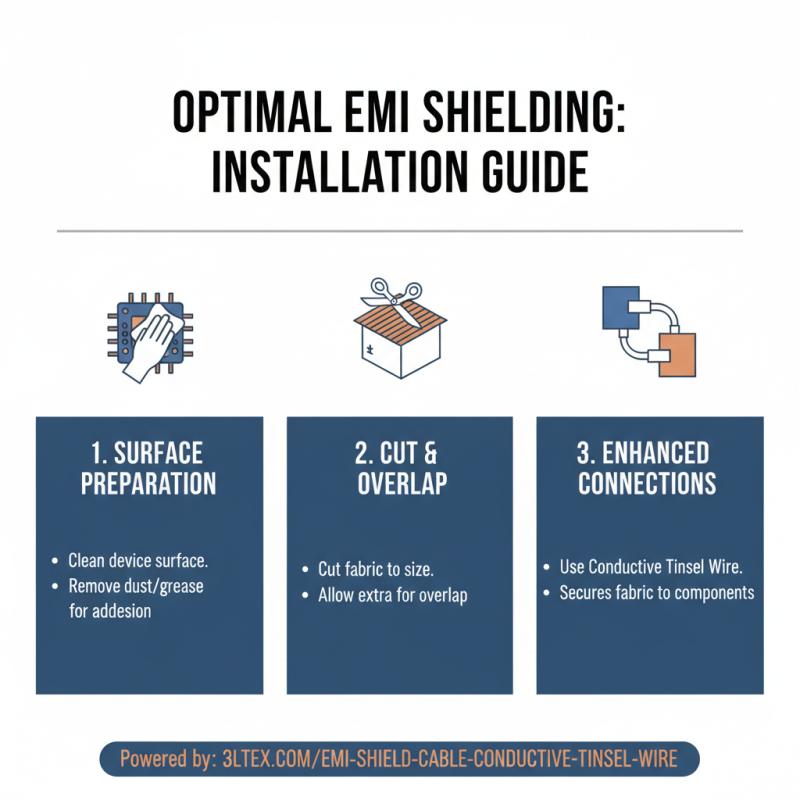
When installing copper nickel EMI shield fabric, proper methods are crucial for optimal performance. Start by preparing the surface of your device. Ensure it is clean and free from dust or grease. This can impact adhesion. Cut the fabric to the required size, allowing extra material for overlap. The emi shield cable conductive tinsel wire can be used to enhance connections between the fabric and other components.
Next, apply adhesive to the surface. Choose one that aligns with the thermal and electrical parameters of your device. The right adhesive can prevent issues like peeling or insufficient contact. Press the fabric down firmly, ensuring there are no air bubbles. These can create gaps which may compromise shielding efficiency.
After installation, it’s vital to test the setup. Check if the fabric is properly grounded. This step is sometimes overlooked. If grounding is inadequate, the fabric may not perform as expected. Regular inspections are crucial. Some users may find that their initial installations need adjustment. Emphasize the importance of reflection and modifications for better results.
Impact of Environmental Factors on the Effectiveness of Shielding
Environmental factors play a crucial role in the effectiveness of copper nickel EMI shield fabric. High humidity can significantly impact its performance. When moisture enters the fabric, it can lead to corrosion and reduce conductivity. It’s essential to monitor the environment where this fabric is used. Regular checks can help ensure it remains functional and effective.
Temperature variations are another consideration. Extreme heat can cause the material to degrade faster. On the other hand, cold temperatures might stiffen the fabric. This stiffness can result in cracks or wear that compromise shielding. Users should consider insulation or climate-controlled storage to mitigate these effects.
Incorporating designs like an emi shield sleeve conductive tinsel wire can enhance performance. However, these wires must also be shielded from environmental damage. Inadequate protection may lead to ineffective shielding despite good initial quality. It’s vital to regularly assess both the fabric and any integrated components. This ongoing evaluation can prevent unexpected failures.
Impact of Environmental Factors on the Effectiveness of Copper Nickel EMI Shield Fabric
Maintenance Tips for Longevity and Efficiency of EMI Shielding Fabrics
Proper maintenance of copper nickel EMI shielding fabrics is crucial. Regular cleaning can significantly enhance their performance. Dust, moisture, and contaminants can accumulate over time, hindering conductivity. According to industry studies, fabrics that are cleaned every few months maintain up to 95% of their shielding efficiency.
Avoid harsh chemicals when cleaning. Using mild detergents can help preserve fabric integrity. Abrasive materials may cause wear, leading to reduced effectiveness. The National Institute of Standards and Technology states that proper handling can extend the lifespan of these materials significantly, sometimes up to 10 years, with minimal degradation.
Humidity control is also vital. High humidity levels can lead to corrosion, reducing shielding efficiency. Maintaining an environment with less than 50% humidity is advisable. Regular inspections can help identify potential damage early. Look for signs of wear and tear, and replace damaged sections promptly. Regular maintenance is not just a good practice; it's essential for optimal performance.
FAQS
: Regular exercise improves physical health and boosts mental well-being. It enhances mood and energy levels significantly.
Begin with small, achievable goals. Engage in enjoyable activities to maintain motivation. Consistency is key.
A balanced diet provides necessary nutrients. It helps control weight and reduces the risk of chronic diseases.
Yes, chronic stress can lead to various health issues. It may affect heart health and weaken the immune system.
Sleep is crucial for muscle recovery and mental clarity. Poor sleep can hinder performance and overall health.
Set realistic and measurable goals. Regularly revisit and adjust them based on progress and personal circumstances.
Conclusion
Copper Nickel EMI Shield Fabric is an essential material in the electronics industry, known for its excellent electromagnetic interference (EMI) shielding properties. This fabric is particularly valuable in various applications such as telecommunications, medical devices, and military equipment. Understanding its unique properties, such as conductivity and durability, is fundamental when selecting the right thickness to ensure effective shielding.
To achieve optimal performance with Copper Nickel EMI Shield Fabric, it is crucial to follow best practices in installation and consider environmental factors that can impact its effectiveness. Techniques such as proper layering and adherence to installation guidelines can significantly enhance the shielding performance. Additionally, regular maintenance is vital to ensure the longevity and efficiency of the shielding fabrics, thereby ensuring reliable protection against EMI in electronic devices.