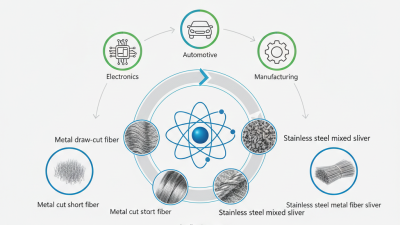
In today’s textile world, finding top-quality materials isn’t just a perk—it’s pretty much essential. Take Stainless Steel Polyester Mixed Yarn, for example. It’s quite an innovative product that pairs the toughness of stainless Steel Fibers with the flexibility and versatility of polyester. Honestly, a lot of companies kinda overlook how important good sourcing is, and that can cause headaches down the line during production. Getting to know the ins and outs of materials like Metal draw-cut fiber and Metal cut short fiber really makes a difference in the end product’s quality.
When you're sourcing this kind of yarn, you really need to pay attention to a few key things—like whether your supplier is reliable and what exactly goes into the material. Striking the right balance between durability and flexibility is crucial. Finding trustworthy suppliers who supply Metal Mixed Staple Fibers and Metal cutting staple fibers can totally influence your bottom line in a good way. Plus, choosing the right blend of materials ensures your finished product performs well and lasts longer.
That said, it’s not all smooth sailing. Not every supplier keeps the same standards, which means you might run into inconsistency in quality when dealing with different vendors. That’s why doing your homework on suppliers offering Stainless Steel mixed sliver or stainless steel metal fiber sliver is so important. At the end of the day, the success of your products really hinges on making smart, well-informed sourcing choices.
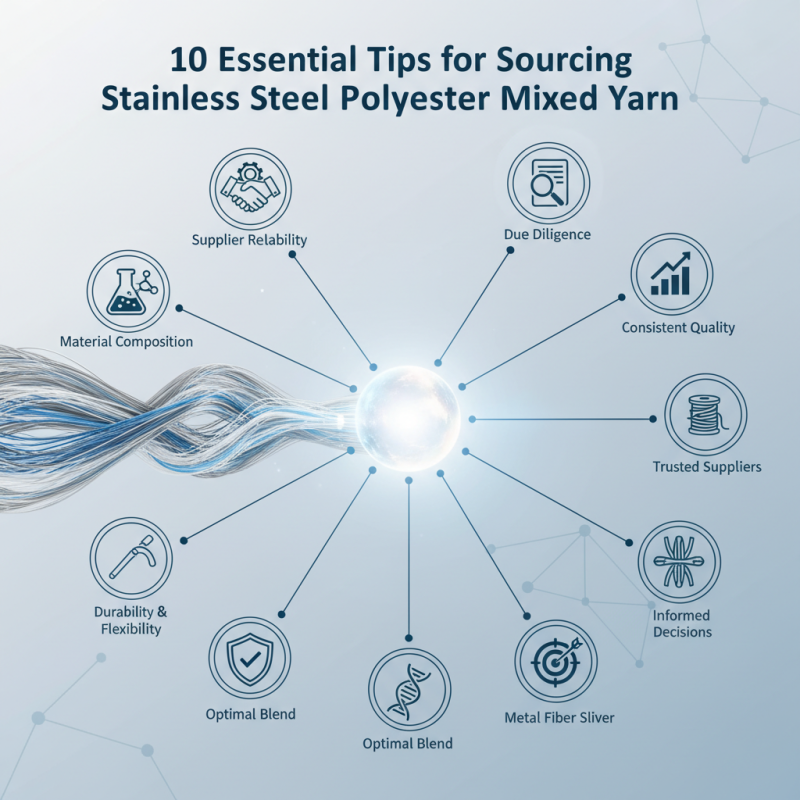
Understanding Stainless Steel Polyester Mixed Yarn: A Comprehensive Overview
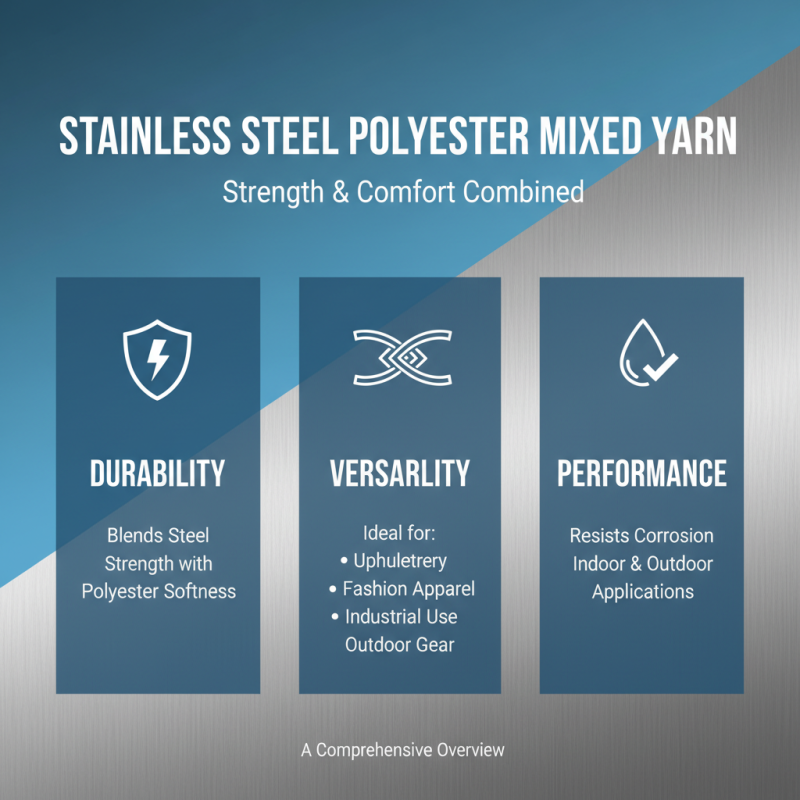
Stainless steel polyester mixed yarn combines the strength of stainless steel with the softness of polyester. This unique blend offers durability along with a comfortable feel. Industries such as upholstery, fashion, and industrial applications are increasingly utilizing this material. It provides resistance to corrosion, making it an ideal choice for both indoor and outdoor use.
Understanding the properties of this yarn is crucial. The steel fibers add tensile strength, while polyester ensures flexibility. However, it can be challenging to find a reliable supplier. Not all products meet the same quality standards. Researching suppliers meticulously is essential. Ask for samples to assess the blend's quality and performance. It’s vital to verify the sourcing process of materials, as quality directly impacts the end product.
Sustainability is another aspect to consider. While stainless steel is recyclable, the production process of polyester raises concerns about environmental impact. Finding a balance between quality and sustainability can be daunting. Engage with industry experts to gain insights. Their experiences can guide you in making informed decisions. Set clear criteria for your sourcing needs to navigate this complex landscape effectively.
Materials Science of Stainless Steel and Polyester Blend in Yarn Production
The combination of stainless steel and polyester in yarn production presents unique opportunities. Stainless Steel with Polyester Mixed Fiber offers durability and resilience. This blend enhances the overall strength of the yarn while maintaining softness. The materials science behind this mix showcases the benefits of each component. Stainless steel threads contribute to anti-static properties, while polyester provides flexibility.
When sourcing materials, consider these tips. Assess the quality of stainless steel fibers. They should be fine and uniformly processed. For polyester, ensure it is sourced from trusted suppliers. Quality inconsistency can affect the final product's performance. Conduct small batch tests to determine the blend's effectiveness. This step is crucial before large-scale production.
Keep in mind that the manufacturing process can impact the blend. Experiment with different ratios of stainless steel to polyester. A too high or too low ratio could lead to undesirable characteristics. Monitor the yarn's performance in various conditions. This reflection can guide future sourcing decisions, ensuring better quality blends.
Evaluating Quality Standards for Stainless Steel Polyester Mixed Yarn
When sourcing Stainless Steel Polyester Mixed Yarn, quality evaluation is crucial. Quality standards directly affect the durability and performance of the final products. Look for yarn that has a balanced composition. A proper blend of stainless steel fiber with polyester mixed fiber ensures the ideal properties. Inspect the yarn's tensile strength and elasticity. These features are vital for textiles used in demanding environments.
Examine the sourcing process for transparency. Reliable suppliers should provide documentation proving the composition of their yarn. Certifications from recognized authorities can add credibility. Pay attention to the manufacturing methods. Techniques that maintain the integrity of the stainless steel fiber with polyester mixed fiber are essential. Sometimes, low-cost options may compromise quality for savings.
Testing samples can reveal potential weaknesses. Observe how the yarn behaves under stress. Ensure it meets your specific requirements. Take time to assess the color retention and resistance to wear. These details can impact the satisfaction of end users. Quality is never perfect, always requiring revisiting and adjusting. Balancing cost and quality is an ongoing challenge that needs careful consideration.
Analyzing the Cost Factors in Sourcing Stainless Steel Polyester Mixed Yarn
When sourcing stainless steel polyester mixed yarn, understanding cost factors is crucial. Prices vary based on raw materials, production processes, and supplier locations. The combination of stainless steel fiber with polyester mixed fiber can elevate the yarn's cost. This unique blend enhances durability and adds functionality but may come with a price premium.
Transportation and logistics also play a significant role in sourcing costs. The distance between suppliers and manufacturers can influence shipping fees. Additionally, fluctuating fuel prices can impact overall expenditure. Consider collaborating with local suppliers to minimize these costs. However, local doesn’t always mean cheaper. Evaluate their product quality against their pricing.
Supplier reliability is another critical factor. A low price can be tempting but could lead to quality issues down the line. Always check supplier credentials. References and reviews can provide valuable insight into their reliability. It’s important not to overlook the long-term implications of sourcing decisions, as saving money today could lead to higher costs in the future.
Key Suppliers and Manufacturers in the Stainless Steel Yarn Industry
When sourcing stainless steel polyester mixed yarn, identifying reliable suppliers is crucial. Key manufacturers in this niche often have specialized equipment and expertise. They focus on producing high-quality metal fiber with polyester mixed fiber. These materials are increasingly popular in various industries due to their durability and unique properties.
It is essential to evaluate potential suppliers based on their production processes. Transparency in sourcing raw materials can indicate reliability. Look for manufacturers that openly share their quality control measures and certifications. Visit their facilities if possible, to assess their operations firsthand. This step can reveal strengths or weaknesses that are not visible on paper.
Networking with industry insiders is also beneficial. Engaging in online forums and attending trade shows can provide insights. Recommendations from other businesses can lead to trustworthy connections. Identifying suppliers that adapt to market changes and consumer needs reflects their professionalism. Not all suppliers will meet your standards, so consider this when making selections.
Sustainability Considerations in the Production of Mixed Yarn Materials
The production of mixed yarn materials, particularly those combining stainless steel and polyester, raises important sustainability concerns. These fibers can be durable, but their environmental impact must be acknowledged. The process of sourcing these materials often involves significant energy consumption. In addition, synthetic fibers can contribute to microplastic pollution.
Sourcing responsibly means considering the entire lifecycle of the materials. It’s crucial to evaluate the origins of the polyester used. Recycling polyester can reduce waste and decrease the demand for virgin materials. However, not all recycling processes are the same; some methods can still be resource-intensive. Producers should strive to find sources that prioritize eco-friendly practices.
Moreover, transparency in supply chains is essential. Companies should know their suppliers and their sustainability certifications. This level of diligence can seem overwhelming, yet it is necessary. Reflection on sourcing practices is vital for improvement. Engaging with local communities and sustainable initiatives can also enhance the eco-friendliness of the supply chain. Emphasizing these factors promotes a more sustainable industry.
10 Essential Tips for Sourcing Stainless Steel Polyester Mixed Yarn: Sustainability Considerations
Innovations and Trends Influencing Stainless Steel Polyester Yarn Sourcing
The landscape of sourcing stainless steel polyester mixed yarn is evolving rapidly. Innovations in textile technology are driving change. According to a 2022 market analysis by Grand View Research, the global polyester yarn market size was valued at $30 billion, with a significant growth rate anticipated in the coming years. This growth can be attributed to increased demand across various industries, including automotive and fashion.
Sustainability is a key focus in today’s sourcing practices. Consumers are more aware of environmental impacts, prompting suppliers to explore eco-friendly alternatives. Reports indicate that recycled polyester yarns are gaining traction, with production numbers increasing by 20% each year. Additionally, integrating stainless steel into polyester yarn enhances durability and offers unique characteristics like antibacterial properties. This dual-fiber technology presents opportunities, yet sourcing these materials can be complex and requires in-depth knowledge.
New trends also highlight the importance of transparency in the supply chain. Companies are expected to provide detailed sourcing information, which can be challenging to manage. Many businesses are still grappling with this transparency issue, struggling to track material origins and environmental impact. While innovations drive the industry forward, recognizing these challenges is essential for sustainable growth and responsible sourcing practices.
Exploring the Performance and Applications of Dope Dyeing Raw White Meta Aramid Yarn: Insights from Industry Reports and Trends
Dope dyeing poly(m-phenylene isophthalamide), commonly known as meta aramid, is gaining significant attention in various industries due to its remarkable properties and the advantages offered by its coloring process. This innovative method integrates color into the fiber during its production, resulting in a deeper, more uniform hue that withstands exposure to harsh conditions. Given the inherent high-temperature resistance and flame-retardant characteristics of meta aramid, dope dyeing enhances the utility of this fiber, making it highly suitable for applications in protective clothing for military and firefighting personnel.
Furthermore, the applications of dope-dyed raw white meta aramid yarn extend beyond just protective apparel. Its excellent electrical insulation and chemical resistance make it ideal for high-temperature filtration materials and industrial safety textiles. These properties not only provide safety and durability but also contribute to sustainable practices within the industry, as the dope dyeing process often uses less water and generates less waste compared to conventional dyeing methods. As industries increasingly prioritize environmentally friendly solutions, the shift towards dope-dyed meta aramid fibers represents a significant trend worth exploring and capitalizing on.
FAQS
: It is a blend of stainless steel and polyester, combining strength and softness.
Industries like upholstery, fashion, and industrial applications utilize this unique yarn.
Quality directly impacts the performance and durability of the final product.
Ask for samples from suppliers and conduct small batch tests before large-scale production.
The production process of polyester raises sustainability issues, even though stainless steel is recyclable.
Research suppliers meticulously and check the sourcing process of materials.
Stainless steel adds tensile strength and anti-static properties to the blend.
An incorrect ratio can lead to undesirable characteristics in the yarn.
Monitor the yarn's performance in various conditions and reflect on the results.
Their experience can provide valuable insights and guidance for informed decisions.
Conclusion
The article "10 Essential Tips for Sourcing Stainless Steel Polyester Mixed Yarn" presents a comprehensive guide to understanding and acquiring this innovative material. It begins with an overview of Stainless Steel Polyester Mixed Yarn, delving into the unique properties of the stainless steel and polyester blend that contribute to its versatility and strength. The discussion on materials science highlights the advantages of using this blend in various applications, ranging from textiles to industrial uses.
Furthermore, the article evaluates the quality standards necessary for ensuring that the sourced yarn meets industry requirements. It examines cost factors, key suppliers in the sector, and sustainability considerations to encourage environmentally friendly practices in yarn production. Finally, readers are informed about the latest innovations and trends that are influencing the market for Stainless Steel Polyester Mixed Yarn, equipping them with the knowledge needed to make informed sourcing decisions.