Leave Your Message
0%

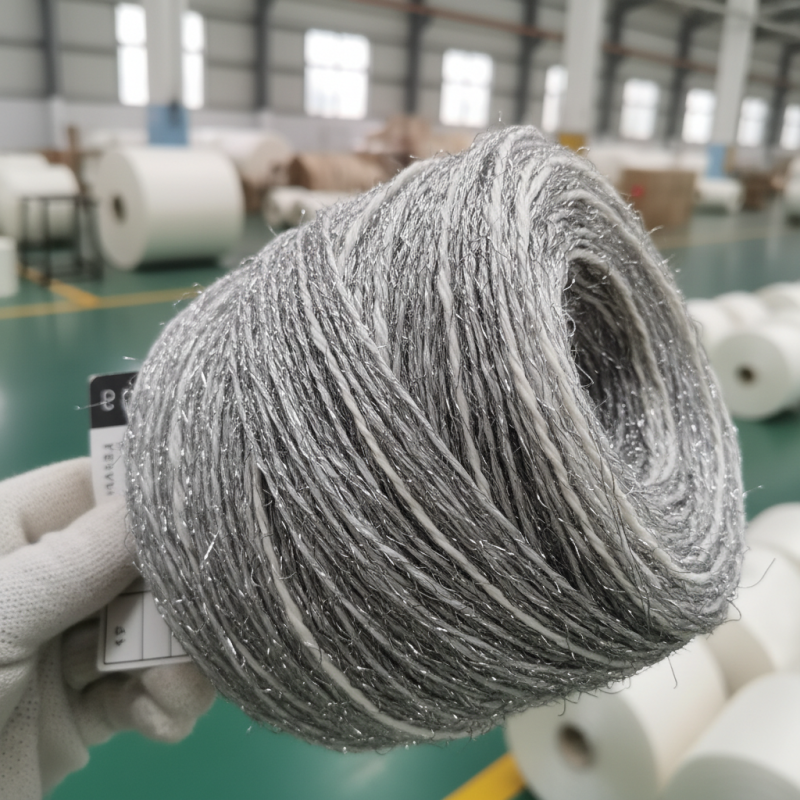
Finding the perfect Metal fiber Cotton Mixed Yarn for your business really matters. This special blend opens up a ton of possibilities across different industries. People are craving high-quality yarns more than ever, but getting your hands on reliable sources can be a real challenge. Brands like FiberTech and Yarn Masters have built solid reputations, but just because they’re big names doesn’t mean every supplier is guaranteed to deliver top-notch quality.

Quality control is a must. Always ask for sample pieces before committing to large orders — it’s worth it. Keep an eye out for certain signs of good quality, like the presence of stainless steel mixed sliver or metal cutting Staple Fibers. These little details actually make a big difference in how durable and functional the yarn is. Still, it’s not a foolproof process. Sometimes, suppliers might not meet your expectations, so you’ve gotta be on the lookout.

Be prepared for some inconsistencies in fiber quality or texture. It’s a good idea to regularly check what you receive to avoid costly mistakes down the line. Doing a bit of homework on your suppliers can really help clear up any confusion along the way. Overall, finding the right Metal Fiber Cotton Mixed Yarn can give your business a serious edge in a pretty competitive market.
How to Source Quality Metal Fiber Cotton Mixed Yarn for Your Business?

Understanding Metal Fiber Cotton Mixed Yarn and Its Uses

Metal fiber cotton mixed yarn is a novel material gaining traction in various industries. This yarn combines the softness of cotton with the durability and conductivity of metal fibers. Its unique properties make it suitable for applications in textiles, electronics, and insulation.

Recent industry reports indicate that the global metal fiber market is expected to grow at a CAGR of 5% from 2021 to 2026. As the demand for conductive textiles increases, this mixed yarn is becoming a popular choice for manufacturers. The yarn is often utilized in creating smart clothing that can incorporate electronic components. Such applications are revolutionizing fashion, making it more functional and interactive.

However, sourcing quality metal fiber cotton mixed yarn can be challenging. Many suppliers may not meet stringent quality standards. To ensure reliability, businesses should consider conducting thorough audits of suppliers. Evaluating certifications and production processes is crucial. Companies should also remain open to experimentation with different blends. This exploration may lead to breakthroughs in product development, though not all trials will yield positive results. Understanding the market and being adaptable will ultimately drive success.

Identifying Reliable Suppliers for Metal Fiber Cotton Mixed Yarn

Finding reliable suppliers for metal fiber cotton mixed yarn is essential for your business. Start by researching various manufacturers. Look for those who have a proven track record in producing high-quality metal mixed staple fiber. Engaging with industry forums can provide insights into suppliers' reputations. Attend trade shows to meet potential suppliers face-to-face. This builds trust and allows for immediate feedback.

Verify the supplier's credentials and experience in the industry. Request samples of metal cutting staple fibers to assess quality. It’s key to examine the yarn's texture and durability. Inquire about their production processes to ensure they adhere to quality standards. Be cautious of suppliers who cannot provide adequate information about their sourcing practices. Reflection on these factors can save you from future disappointments.

Building a relationship with your suppliers requires ongoing communication. Regularly check in and discuss your needs. Monitor their delivery timelines and quality consistency. Feedback can help them improve. Remember, some suppliers may not meet your expectations. It’s crucial to have a plan for addressing these challenges.

Evaluating Quality Standards for Metal Fiber Cotton Mixed Yarn

When evaluating the quality standards for metal fiber cotton mixed yarn, several industry benchmarks become crucial. A comprehensive report from the Textile Fiber Products Identification Act indicates that the recommended standard for metal fiber content is between 5% and 15%. This ratio often enhances the conductivity and durability of the yarn, making it suitable for specialized applications.

The presence of high-quality cotton is equally vital. According to the International Textile and Apparel Association, premium cotton ensures breathability and comfort. Yarns with a blend of 70% cotton and 30% metal fibers often provide an optimal balance. Testing for pH levels and moisture regain can prevent potential issues in yarn performance, something many manufacturers overlook.

Quality control processes should include tensile strength assessments. Reports indicate that yarns failing to meet a minimum tensile strength of 30 Newtons can lead to disappointing results during production. Ensure suppliers provide certificates of analysis from accredited labs, verifying their compliance with established quality benchmarks. This due diligence helps avoid costly production delays and maintains product integrity.

Quality Standards of Metal Fiber Cotton Mixed Yarn

Assessing Cost-Effectiveness in Sourcing Yarn

How to Source Quality Metal Fiber Cotton Mixed Yarn for Your Business?

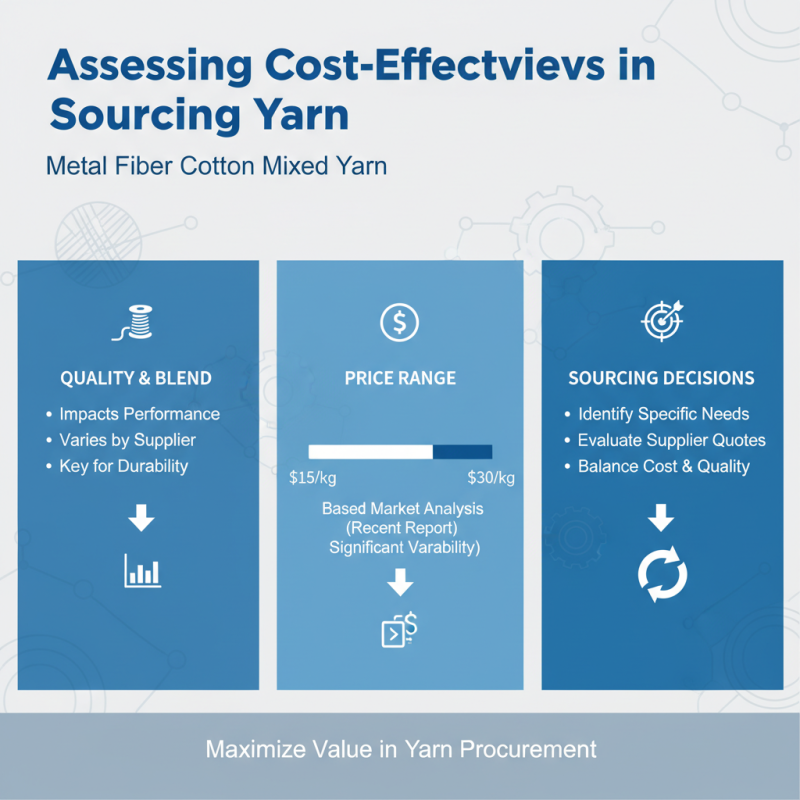
When looking to source quality metal fiber cotton mixed yarn, cost-effectiveness plays a crucial role. Industry reports indicate that the price of metal fiber yarn can vary significantly based on the blend and supplier. For instance, a recent market analysis found that prices can range from $15 to $30 per kilogram, depending on quality. This variability impacts sourcing decisions. Companies must assess their specific needs against these costs.

Understand the potential trade-offs. A lower price point may compromise the quality of the yarn. Quality control reports indicate that inconsistencies in fiber diameter can lead to issues in the final product. Buyers should evaluate suppliers based on their quality certifications and production processes. Qualification audits help ensure that the yarn meets necessary standards.

Keep in mind that bulk purchasing often reduces costs. However, overstocking might lead to a cash flow issue. Diversifying suppliers can also mitigate risks. Gathering data from multiple sources allows businesses to benchmark prices effectively. Feedback from peer companies can provide insights into reliability and quality. This strategy reduces the likelihood of making costly sourcing mistakes.

Establishing Long-term Relationships with Yarn Suppliers

Establishing long-term relationships with yarn suppliers is crucial for your business. Many companies overlook the importance of these partnerships. Reliable suppliers can provide consistent quality, ensuring your products meet market standards. Data from the Textile World industry report indicates that businesses with strong supplier relationships experience a 20% increase in operational efficiency.

When sourcing quality Metal Fiber Cotton Mixed Yarn, focus on suppliers who specialize in advanced materials. Consider those who offer innovative products like Bulletproof 1000d Aramid Yarn. This type of yarn is known for its outstanding durability and heat insulation properties. Mixing this with cotton can enhance the fabric's versatility without sacrificing strength. Establish clear communication with suppliers to discuss your needs and quality expectations.

Trust is a significant component in these relationships. Suppliers are more likely to accommodate your specific requests when they know you value their expertise. According to a recent survey by the Supply Chain Management Association, 55% of businesses that prioritize supplier relationships report lower costs and fewer supply chain disruptions. Reflect on how your current process can be improved and what potential gaps exist. Building a strong network around quality yarn sourcing is not a one-time effort; it requires continuous engagement and adaptation.

Exploring Sustainable Practices in Yarn Sourcing

In today's textile industry, sustainable sourcing practices are increasingly vital. The global market for sustainable fibers, including metal fiber with polyester mixed fiber, is projected to grow significantly. Reports indicate a compound annual growth rate (CAGR) of 8% from 2021 to 2026. Businesses that prioritize sustainability are not only meeting consumer demand but also reducing environmental impact.

Sourcing quality yarns requires a commitment to sustainable methods. This involves collaborating with suppliers who use eco-friendly production processes. An example includes using recycled materials in yarn production, which can lower carbon emissions by up to 30%. Despite these benefits, many businesses struggle to find reliable suppliers who adhere to these practices.

Transparency remains a significant challenge in the supply chain. Companies often lack insight into the sourcing origins, which can lead to ethical concerns. Investing time in research and building relationships can enhance the traceability of materials. Understanding the properties of metal fiber with polyester mixed fiber, for instance, can ensure that the chosen yarn meets both functional and performance standards. With ongoing reflection, businesses can navigate complexities in sustainable yarn sourcing effectively.

Navigating Trade Regulations and Import Considerations for Yarn

How to Source Quality Metal Fiber Cotton Mixed Yarn for Your Business?

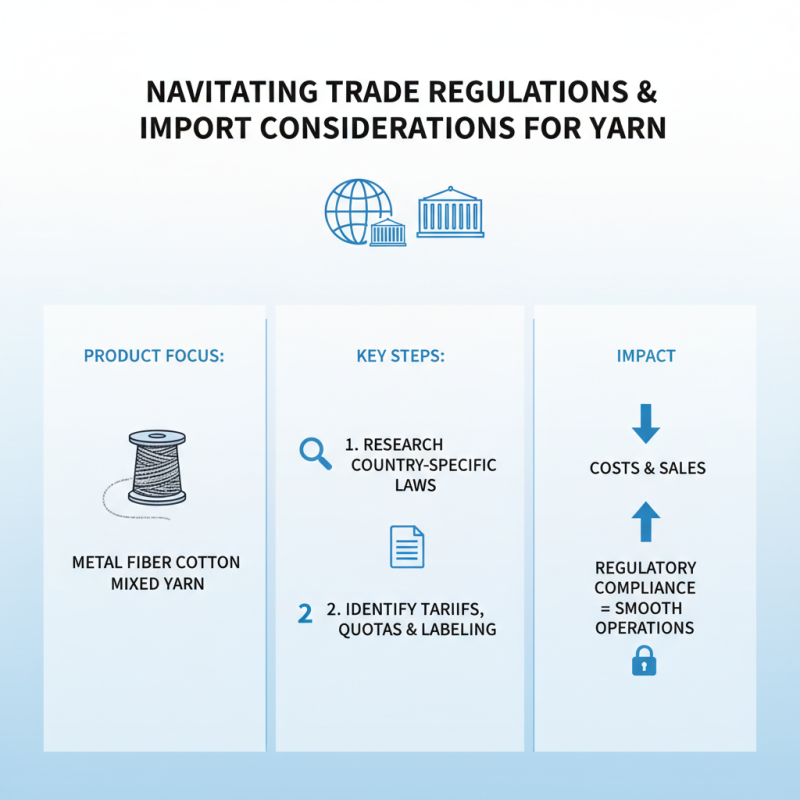
When importing metal fiber cotton mixed yarn, understanding trade regulations is crucial. Different countries have distinct import laws. It's essential to research the specific regulations in your target market. Look for any tariffs, quotas, or labeling requirements that could affect your costs and sales. Regulatory compliance can be complicated but is necessary for smooth operations.

Consider the quality standards required for metal fiber with polyester mixed fiber. Some regions may have strict guidelines on material composition or safety. Partnering with a reliable supplier can help you navigate these requirements. An established supplier will provide documentation verifying the quality and composition of their products. This documentation can protect your business from potential penalties or quality issues.

Reflecting on experiences from importing yarn can provide valuable insights. Many businesses face challenges such as unexpected fees or delays. Understanding these potential pitfalls helps in better planning. Regular communication with customs experts and suppliers can ease the process. Maintaining a proactive approach ensures your business remains compliant and competitive.

FAQS

: Why is cost-effectiveness important in sourcing yarn?

: Cost-effectiveness impacts overall profitability. Quality metal fiber yarn varies in price, influencing sourcing decisions significantly.

How do prices of metal fiber yarn differ?

Prices can range from $15 to $30 per kilogram. This depends on quality and supplier chosen.

What are the risks of low-priced yarn?

Lower prices may lead to compromised quality. Issues with fiber inconsistencies can affect the final product.

How can companies ensure yarn quality?

Evaluate suppliers based on quality certifications. Conduct qualification audits for better assurance of standards.

Is bulk purchasing always beneficial?

While it often reduces costs, overstocking can cause cash flow issues. Care must be taken in purchasing decisions.

How can diversifying suppliers help?

It mitigates risks associated with sourcing. Gathering data from various sources allows for effective price benchmarking.

What should I know about import regulations for yarn?

Each country has distinct import laws. Research is crucial to understand tariffs and labeling requirements that may apply.

Why is supplier reliability important for imports?

A reliable supplier provides necessary documentation. This protects against potential penalties and ensures product quality.

What challenges might arise when importing yarn?

Unexpected fees and delays are common issues. Planning and clear communication with customs can alleviate these problems.

How can I stay compliant in the yarn sourcing process?

Maintain regular communication with suppliers and customs experts. A proactive approach aids in navigating regulations effectively.

Conclusion

Metal Fiber Cotton Mixed Yarn is a versatile material that combines the benefits of metal fibers with the softness of cotton, making it ideal for various applications in textiles. Understanding its uses is crucial for businesses looking to integrate this innovative yarn into their products. To ensure a consistent supply, it is essential to identify reliable suppliers and evaluate their adherence to quality standards. Cost-effectiveness is another key factor, as businesses must assess pricing structures while maintaining product integrity.

Establishing long-term relationships with suppliers can lead to favorable terms and improved reliability, while exploring sustainable practices in sourcing can enhance a brand’s reputation. Additionally, navigating trade regulations and import considerations is vital for companies engaged in sourcing Metal Fiber Cotton Mixed Yarn internationally. By addressing these aspects, businesses can successfully integrate this unique yarn into their offerings while fostering sustainable and profitable sourcing practices.

Liam

Liam

Liam is a dedicated marketing professional at SHIJIAZHUANG 3L TECHNOLOGY CO., LTD., where he has been instrumental in showcasing the company’s expertise in advanced technical textiles since 2009. With a deep understanding of high-performance Tech-textile materials, Liam plays a vital role in......
Previous How to Choose the Best Flame Retardant Yarn for Your Needs?